Food · Awareness · Nourishment
You are not just
Modern nutrition science tells us what to eat. Ancient wisdom tells us something deeper — that how we eat, when we eat, and the awareness we bring to eating may matter just as much as what ends up on our plate.
In yoga, food is understood through the lens of prana — life force. Fresh, whole, seasonal food carries more prana than processed, stale or overly refined food. This is not a diet. It is a relationship.
The tools below are a starting point — data to inform, not rules to obey. Let them help you understand your body's needs. Then, over time, let your own awareness become the finest nutritional guide you have.

Simple calculators to help you understand your body. Click each tool to expand.
BMI is a simple screening tool — a starting point, not a definitive measure of health. It does not account for muscle mass, bone density or individual body composition.
Your TDEE is the total number of calories your body needs each day based on your activity level. This is your maintenance number — adjust up or down depending on your goals.
Put down the phone. Turn off the screen. Sit. Taste. Be present with your food. The act of eating deserves the same attention you would give to meditation.
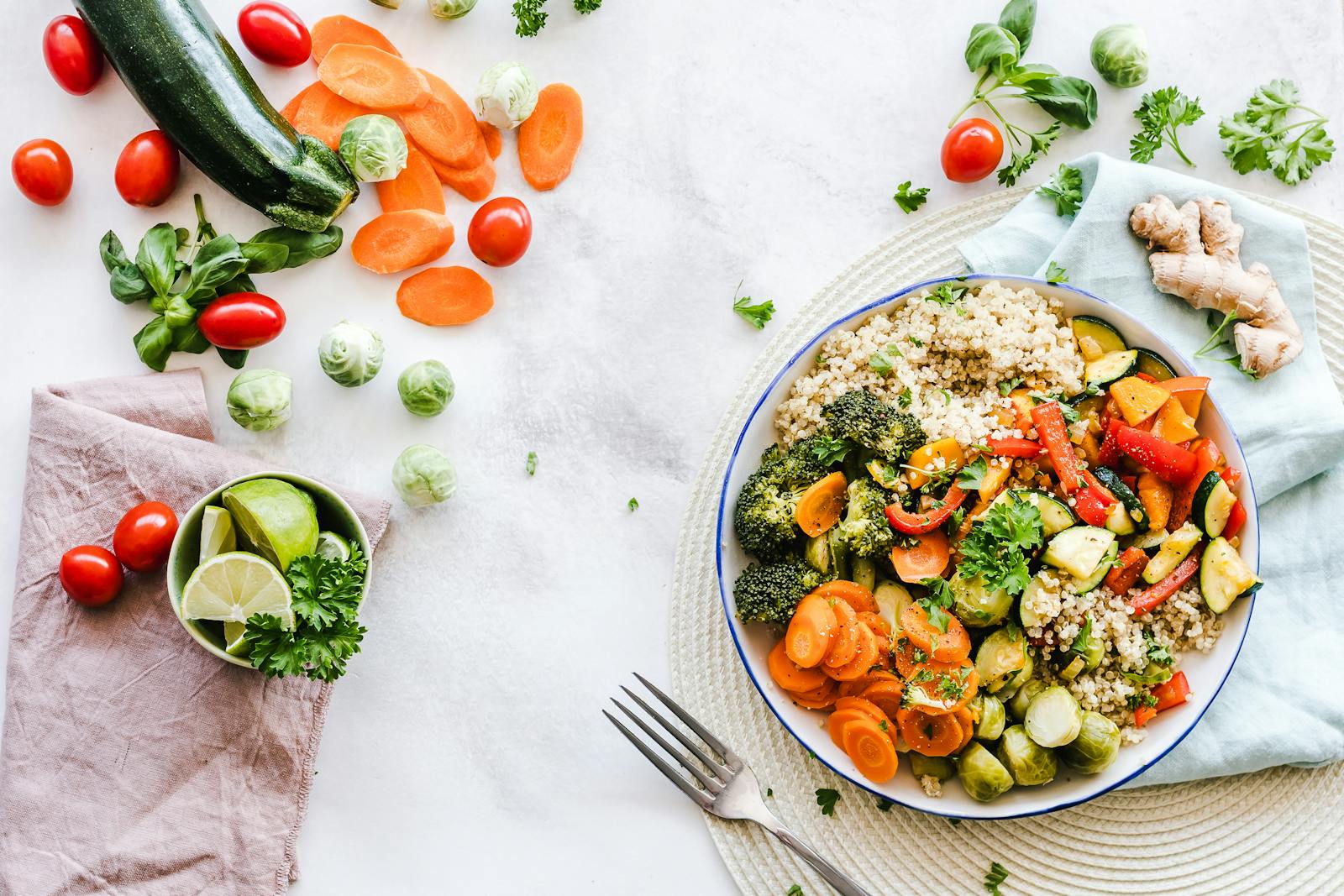
Fresh vegetables, whole grains, legumes, fruits and nuts carry more vitality than processed, packaged or refined alternatives. Your energy reflects the energy of what you consume.
The Japanese principle of Hara Hachi Bu — eat until you are 80% full. Leave space. The body digests better, the mind stays clearer, and energy does not collapse after meals.
Learn the difference between true hunger and emotional hunger. Eat when genuinely hungry. Stop when genuinely satisfied. The body knows — if you listen.
In Ayurvedic tradition, the energy of the cook enters the food. Preparing your own meals with care and presence is itself a form of nourishment.
Water is life. Begin each morning with warm water and lemon. Drink throughout the day. A well-hydrated body thinks more clearly, moves more freely, and rests more deeply.